

This researched article is available in English and български.
Durostorum–Drastar
Layers of Roman Durostorum and medieval Drastar preserve defences, residences and basilicas.
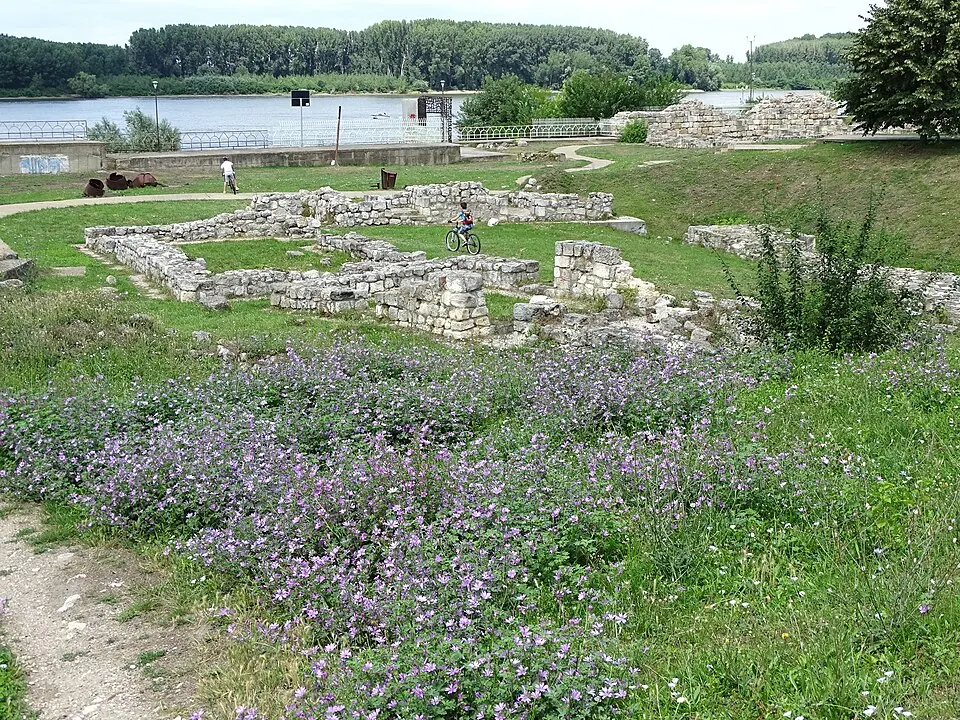 Open and enlarge photograph
Photo: Adam Jones from Kelowna, BC, Canada · CC BY-SA 2.0 · Resized proportionally to a maximum of 960 px and converted to WebP; no crop or scene edits.
The story of this place
Silistra’s archaeology links different towns and functions on a single Danube location. Late Antique defences were constructed and rebuilt in stages, with major works assigned to the sixth century. A separate complex traces the transformation of a Roman urban villa into a substantial public building. The medieval basilica was established after conversion to Christianity in the ninth century and later associated with Bulgaria’s patriarchal organisation. Excavated rooms and a bath illuminate the ecclesiastical centre’s arrangement. The visible remains across the modern town are not one contemporary ensemble; each component needs to be understood through its own date and archaeological context.
What the evidence shows
- The northern and southern walls preserve Late Antique building phases.
- The basilica and adjoining residence illuminate Drastar’s ecclesiastical history.
Hypotheses and open questions
Identification of the Late Antique public building above the villa as an episcopal palace rests on its plan and context.
Myths and local traditions
The sources consulted do not document a reliable local tradition. We do not invent legends to fill the gap.
Sources and verification
These accounts are editorial summaries. The sources below let you check dates, discoveries and interpretations.
- РИМ–Силистра: Северна и южна крепостна стена ↗www.museumsilistra.com
- РИМ–Силистра: Епископска и патриаршеска базилика ↗www.museumsilistra.com
- РИМ–Силистра: Римска градска вила ↗www.museumsilistra.com