

This researched article is available in English and български.
Sanctuary of the Nymphs and Aphrodite at Kasnakovo
A spring sanctuary with a dedicatory inscription, part of a larger Roman complex.
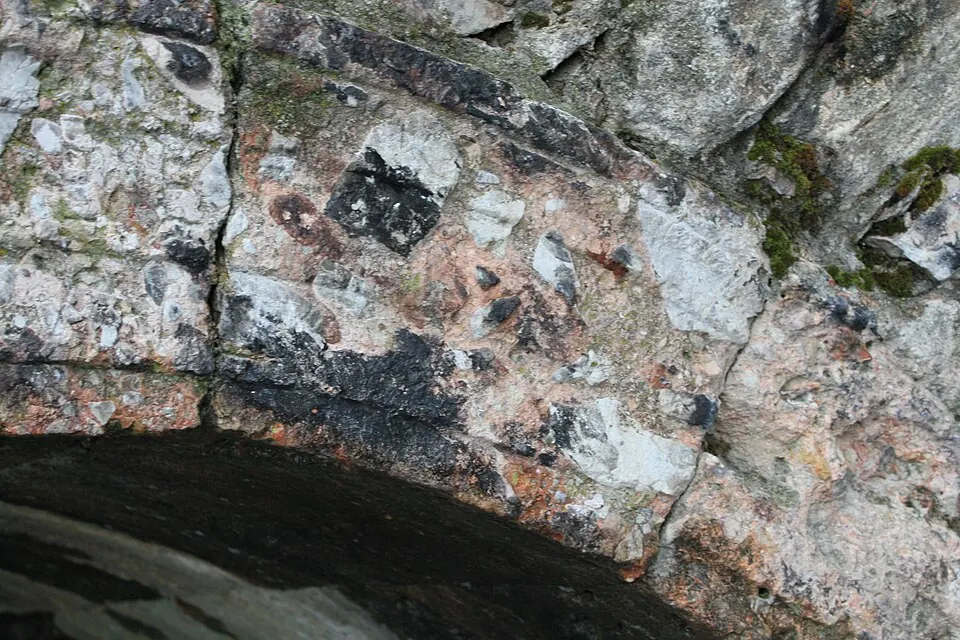 Open and enlarge photograph
Photo: Bin im Garten · CC BY-SA 3.0 · Resized proportionally to a maximum of 960 px and converted to WebP; no crop or scene edits.
The story of this place
The sanctuary near Kasnakovo belongs to a larger complex used in the Roman period. An inscription at the spring names the donors Titus Flavius Beithykenthos and Claudia Montana and its dedication to the Nymphs and Aphrodite. Excavations in neighbouring buildings uncovered bathing rooms, a small pool and a mosaic floor. Sculptural finds, including Isis and a satyr, add evidence about decoration and the owners’ connections. The spring therefore belongs within a broader setting of habitation, worship and prestige. Later beliefs attribute miraculous properties to its water, but these are not medical evidence. Archaeological significance rests on the surviving dedication and excavated structures rather than promises of health or fertility.
What the evidence shows
- The dedicatory inscription names the donors.
- Bathing rooms and a mosaic have been found in the complex.
Hypotheses and open questions
Attributing every building to the named family requires differentiation between construction phases.
Myths and local traditions
Local belief tells of dancing nymphs and water associated with fertility. This is folklore, not proof of healing effects or drinking safety.
Sources and verification
These accounts are editorial summaries. The sources below let you check dates, discoveries and interpretations.
- Община Димитровград: светилището ↗www.dimitrovgrad.bg
- Община Димитровград: римска мозайка ↗www.dimitrovgrad.bg