

This researched article is available in English and български.
Roman Tomb of Silistra
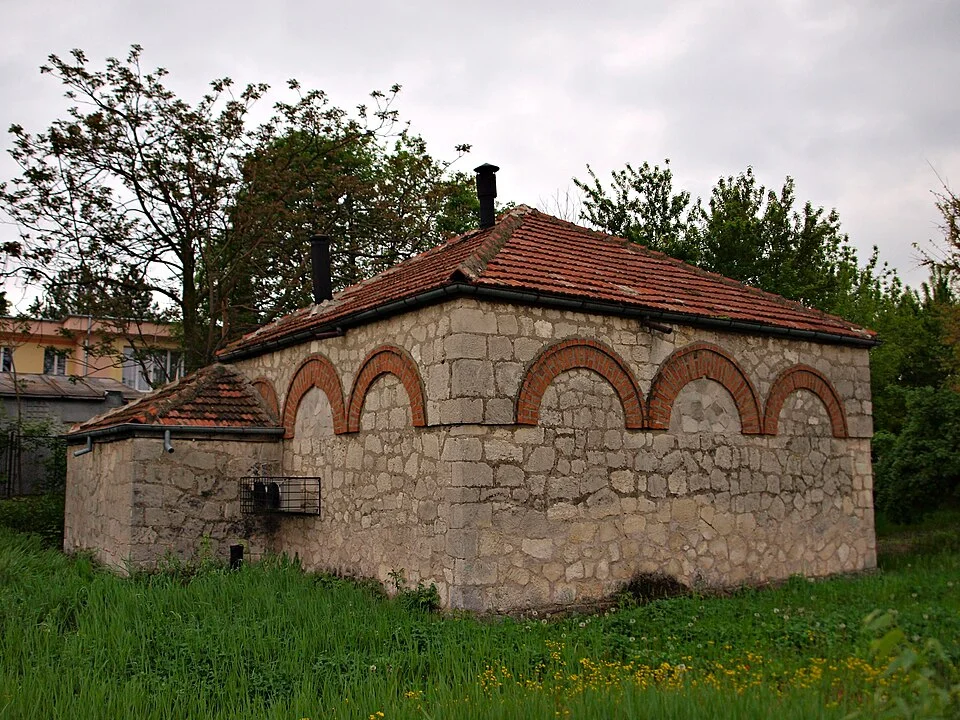
A fourth-century painted tomb depicting a master couple, attendants, animals and plant motifs.
 Open and enlarge photograph
Photo: own work (Todor Bozhinov) · CC BY-SA 4.0 · Retained optimized WebP from the existing editorial collection; no additional modification.
The story of this place
The tomb was discovered accidentally in 1942 within the cemetery of ancient Durostorum. Stone walls and a brick vault enclose a single chamber whose interior is covered with paintings. The principal composition presents a master couple approached by attendants carrying clothing and personal accessories. Birds, animals, plants and hunting scenes complete the decoration. Its style places the monument in the fourth century, while the museum dates it more specifically to Constantine’s later reign. The programme illuminates the ideals and social representation of wealthy inhabitants of the Roman town. Preservation depends on the internal microclimate, making interior access subject to conservation restrictions.
What the evidence shows
- The tomb was discovered in 1942.
- The murals include a master couple and a procession of attendants.
Hypotheses and open questions
The museum says the tomb was unused, whereas the older UNESCO submission refers to a buried couple; this catalogue does not treat burial as certain.
Myths and local traditions
The sources consulted do not document a reliable local tradition. We do not invent legends to fill the gap.
Sources and verification
These accounts are editorial summaries. The sources below let you check dates, discoveries and interpretations.
- РИМ–Силистра: Римска гробница ↗www.museumsilistra.com
- UNESCO: The late ancient tomb of Silistra ↗whc.unesco.org