

Bacho Kiro Cave
A Palaeolithic cave with directly dated Homo sapiens remains, tools and ornaments approximately 45,000 years old.
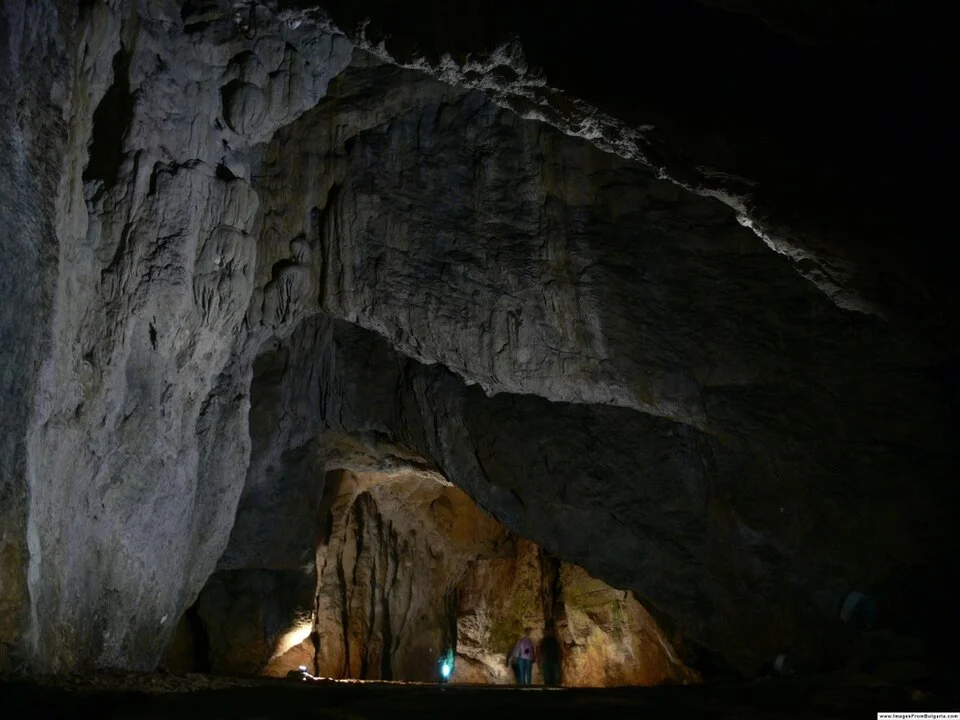 Open and enlarge photograph
Photo: Nenko Lazarov · CC BY 2.5 · Retained optimized WebP from the existing editorial collection; no additional modification.
The story of this place
The cave near Dryanovo Monastery preserves Middle and Initial Upper Palaeolithic deposits. Following earlier excavations, a Bulgarian and international team resumed research in 2015. Tooth morphology, bone proteins and ancient DNA allowed researchers to identify the human finds as Homo sapiens. Results published in 2020 associate remains approximately 45,000 years old with stone and bone tools and personal ornaments, including cave-bear-tooth pendants. The archaeological layers illuminate the early spread of our species across Eurasia, while the developed cave also offers designated tourist routes.
What the evidence shows
- Human bone fragments were directly radiocarbon-dated.
- Finds include pendants made from cave bear teeth.
Hypotheses and open questions
Similarities to later Neanderthal ornaments inform hypotheses about cultural contact; alone they do not establish a particular encounter or transmission of skills.
Myths and local traditions
The sources consulted do not document a reliable local tradition. We do not invent legends to fill the gap.
Sources and verification
These accounts are editorial summaries. The sources below let you check dates, discoveries and interpretations.