

Apollonia–Sozopol
Ancient Apollonia and medieval Sozopol emerge through museum finds and urban remains.
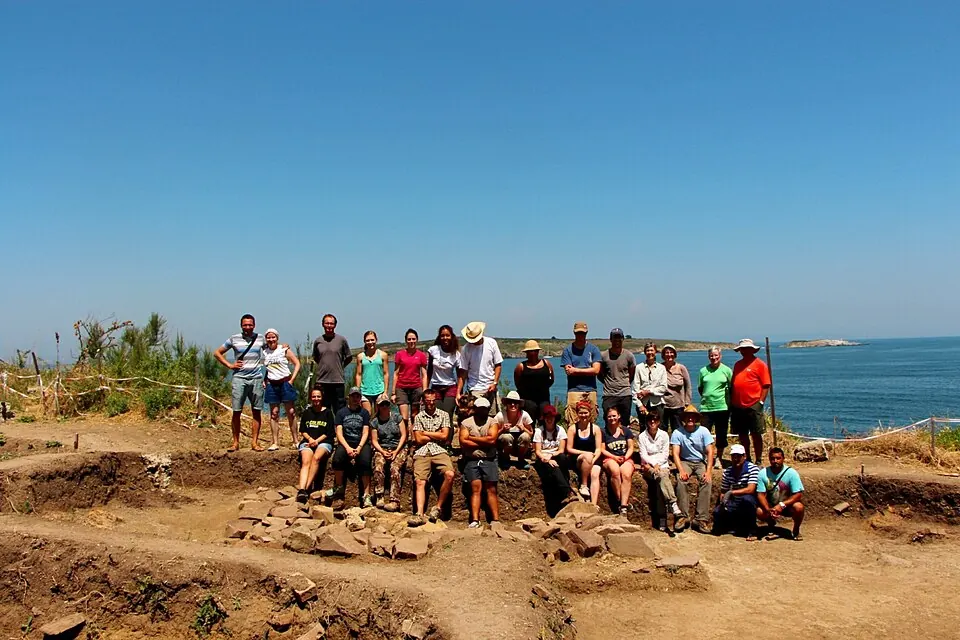 Open and enlarge photograph
Photo: Ivan.giogio · CC BY-SA 4.0 · Resized proportionally to a maximum of 960 px and converted to WebP; no crop or scene edits.
The story of this place
Apollonia Pontica was a Greek city on the western Black Sea coast, with remains in and around present-day Sozopol. Maritime trade and connections with other centres are visible in pottery, coins and other finds. Archaeological structures in the old town belong to different periods, from antiquity to medieval Sozopol. Exposed fortifications and buildings can be explored alongside the museum, which also interprets material from underwater investigations. Cemeteries add evidence about burial customs and funerary offerings. As this remains an inhabited town, not every excavated area is freely accessible. Apollo’s name and images express cult and civic identity rather than the historical presence of a mythological figure.
What the evidence shows
- The museum presents finds from land and underwater investigations.
- Defensive structures from different periods survive.
Hypotheses and open questions
Individual cemeteries and urban layers have different dates and access arrangements.
Myths and local traditions
The sources consulted do not document a reliable local tradition. We do not invent legends to fill the gap.
Sources and verification
These accounts are editorial summaries. The sources below let you check dates, discoveries and interpretations.
- Община Созопол: Вълшебната Аполония ↗visit.sozopol.bg
- Община Созопол: Музеен център ↗archive.sozopol.bg
- Музеен център Созопол: Некрополите ↗sozopol-museums.bg